
Electric Winches for Trucks, Jeeps, ATVs and UTVs
Going off-road comes with its own set of challenges. Without the safety of the path to protect you, you’ll face rivers, muddy trails, and hills that push your vehicle to its limit. While facing these challenges are part of the fun, there are tools off-roaders should not go without. Recovery tools like winches. And Enthuze has made some of the best winches for trucks on the market.
Electric winches are powerful additions for towing large loads or moving heavy vehicles. If you’re stuck during an outdoor excursion, a capable winch can pull you out of trouble. Shop for truck winches tailored to your truck’s capabilities. We have 2,000 pound capacity winches, up to 5,500 pounds, a 10,000 pound winch and beyond!
These winches use aircraft-grade synthetic rope to maintain their durability. With the right winch, you’ll be able to get out of the most troubling situations. Our Enthuze electric winches are a must-have for any off-roader, regardless of experience. Don’t get stuck on your next adventure; pick up one of our Enthuze truck winches or ATV winches and travel prepared.
Read More...
Conquer challenging terrain and recover from difficult situations with Enthuze's comprehensive selection of heavy-duty electric winches engineered for trucks, Jeeps, ATVs, and UTVs. Whether you're navigating remote backcountry trails, performing vehicle recovery operations, or tackling demanding work site challenges, our winches deliver the pulling power, reliability, and safety features necessary to extract vehicles from mud, snow, sand, and steep inclines with confidence and control.
Complete Winch Range from 2,500 to 12,000 Pounds
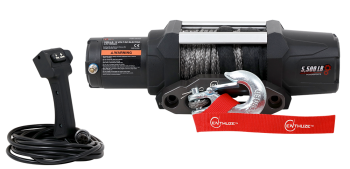
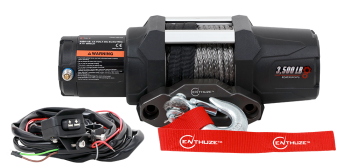
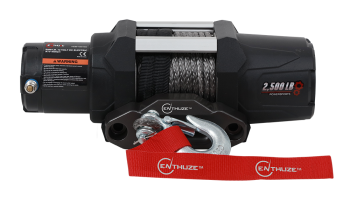
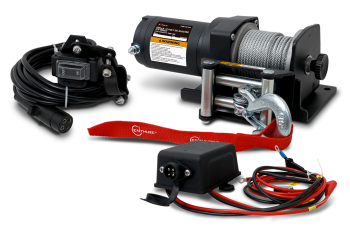
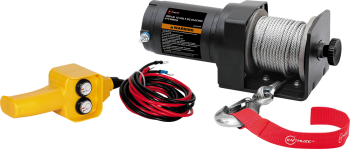
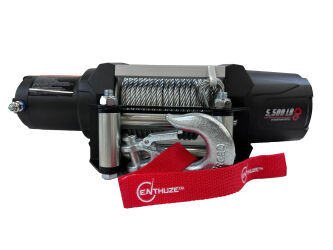
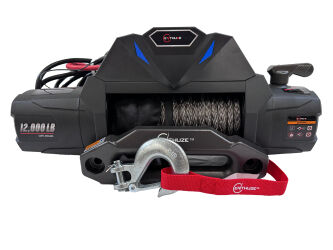
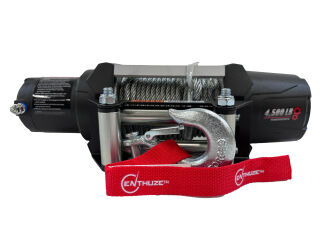
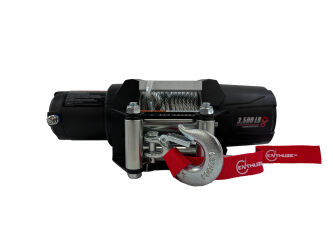
Enthuze manufactures electric winches spanning the full spectrum of recreational and professional recovery needs. Our ATV/UTV winch lineup includes 2,500-pound, 3,500-pound, 4,500-pound, and 5,500-pound capacity models specifically sized for powersports applications where compact dimensions and lighter weight prove essential. For full-size trucks, Jeeps, and SUVs, our truck winch collection features robust 10,000-pound and 12,000-pound capacity units engineered to handle the substantial weight and challenging recovery scenarios these larger vehicles encounter during off-road adventures and professional use.
Selecting proper winch capacity requires understanding the fundamental sizing principle: choose a winch rated for at least 1.5 times your vehicle's gross weight. This safety margin accounts for additional resistance from mud suction, incline angles, and friction that substantially increase actual pulling loads beyond simple vehicle weight. A 6,000-pound truck benefits from a 10,000-pound winch, while a 3,000-pound ATV performs optimally with a 4,500 to 5,500-pound rated winch.
Advanced Motor Technology for Demanding Applications
Permanent Magnet Motors for ATV/UTV Winches
Enthuze ATV and UTV winches utilize permanent magnet motors ranging from 1.2 to 1.5 horsepower depending on winch capacity. Permanent magnet design delivers consistent pulling power while maintaining compact dimensions and lighter weight—critical advantages for powersports applications where every pound affects handling and performance. These motors stay cooler during extended pulling operations compared to inferior brush motors, preventing thermal overload that causes premature failure during critical recovery situations.
Series-Wound Motors for Truck Winches
Our 10,000 and 12,000-pound truck winches feature powerful series-wound motors specifically engineered for heavy-duty applications requiring sustained high torque output. Series-wound motor design provides exceptional starting torque—the initial pulling force needed to break a vehicle free from deep mud or overcome static friction. The motors maintain cooler operating temperatures during long pulls, critical for sustained recovery operations or multiple sequential pulls without cooldown periods that delay rescue efforts.
Three-Stage Planetary Gear Systems
Every Enthuze winch incorporates precision three-stage planetary gear reduction systems that transform motor speed into massive pulling force. This sophisticated gear arrangement provides optimal balance between line speed and pulling capacity—fast enough for efficient operation yet powerful enough to handle maximum rated loads. The planetary design distributes forces evenly across multiple gear teeth rather than concentrating stress on single points like simple gear systems, dramatically improving durability and service life under severe loading conditions.
Three-stage reduction typically provides gear ratios between 150:1 and 265:1 depending on winch model and intended application. Higher ratios generate greater pulling force at slower line speeds ideal for maximum load scenarios, while moderate ratios favor faster line speeds for routine recovery operations. Automatic load-holding mechanical brakes engage whenever power disconnects, preventing uncontrolled cable release that creates dangerous slack or allows vehicles to roll backward on inclines.
Aircraft-Grade Synthetic Rope Advantages
Superior Safety and Handling
Enthuze winches come equipped with premium synthetic rope manufactured from high-strength synthetic fibers offering significant advantages over traditional steel cable. Synthetic rope weighs approximately 80% less than equivalent steel cable, reducing fatigue during manual handling and setup. More importantly, if synthetic rope fails under load, it simply falls to the ground rather than whipping violently like broken steel cable that can cause severe injury or death. This inherent safety characteristic makes synthetic rope the preferred choice for recreational users and professionals alike.
Durability and Maintenance Benefits
Aircraft-grade synthetic rope resists UV degradation, moisture absorption, and abrasion better than entry-level synthetic alternatives. The rope won't develop sharp metal splinters like steel cable that cut hands and gloves during handling. Synthetic rope doesn't kink, maintains flexibility in freezing temperatures that make steel cable stiff and difficult to manage, and floats in water—a crucial advantage during water crossings or flood recovery operations. When properly maintained through periodic inspection and replacement of damaged sections, synthetic rope delivers service life comparable to steel cable at a fraction of the handling danger.
IP68 Waterproof Protection for Extreme Conditions
Enthuze truck winches feature IP68 waterproof rating on both the winch motor housing and wired remote control—the highest protection standard available. IP68 certification guarantees complete protection against dust ingress and continuous immersion in water beyond one meter depth. This exceptional sealing protects critical electrical components during river crossings, heavy rain, pressure washing, and muddy conditions where moisture infiltration destroys lesser winches. The wireless remote controls carry IP65 rating providing dust-tight sealing and protection against water jets from any direction.
Comprehensive Control Systems
Wired Remote Controls
Every Enthuze winch includes an ergonomic handheld wired remote control with power-in and power-out functions. Remote lengths range from 10 to 12 feet depending on winch model, providing safe operating distance from the vehicle during recovery operations. The corded design eliminates battery concerns and ensures reliable operation in extreme cold where wireless remotes may fail. Controls feature clearly marked directional buttons preventing accidental reverse operation that could worsen stuck situations.
Wireless Remote Capability
Select Enthuze truck winch models include both wired and wireless remote controls for maximum operational flexibility. Wireless remotes allow operation from significantly greater distances—beneficial when spooling rope from remote anchor points or coordinating multi-vehicle recovery operations. The wireless units utilize reliable radio frequency transmission that penetrates obstacles like vehicles and vegetation, maintaining control even without direct line of sight to the winch.
Premium Hawse Fairleads and Hardware
All Enthuze winches include aluminum Hawse fairleads specifically designed for synthetic rope applications. Unlike roller fairleads intended for steel cable, Hawse fairleads feature smooth edges that prevent abrasion damage to synthetic fibers during angled pulls. The lightweight aluminum construction resists corrosion while reducing front-end weight compared to heavy steel roller fairleads. Mounting hardware includes grade 8.8 or grade 10.9 fasteners—premium stainless steel components that resist rust and provide secure attachment under extreme loading without stripping or failing.
Easy Installation and Universal Mounting
Enthuze winches feature standardized mounting bolt patterns compatible with most winch-specific bumpers and mounting plates. The 10-inch by 4.5-inch pattern on truck winches represents industry standard spacing, ensuring compatibility with aftermarket bumpers from leading manufacturers. ATV/UTV winches utilize compact mounting footprints designed to fit factory receiver plates and mounting systems without modification. Complete installation hardware accompanies each winch including mounting bolts, fairlead fasteners, and detailed instructions covering proper battery connections, remote installation, and safety procedures.
FAQs: Winches for Trucks, Jeeps, and ATVs
1. What size winch do I need for my truck or ATV?
Select a winch rated for at least 1.5 times your vehicle's gross weight to provide adequate safety margin. For example, a 6,000-pound truck requires a minimum 9,000-pound winch, making a 10,000-pound model ideal. A 3,500-pound ATV benefits from a 5,500-pound winch. This safety factor accounts for resistance from mud suction, incline angles, and friction that can double or triple actual pulling loads beyond simple vehicle weight. Heavier winches provide greater capability for difficult recoveries but add weight and electrical load. Consider your typical terrain and recovery scenarios—mud and steep inclines demand higher capacity while sand and level ground allow smaller winches.
2. What's the difference between synthetic rope and steel cable?
Synthetic rope offers critical safety advantages—if it breaks under load, it falls harmlessly rather than whipping violently like steel cable that can cause severe injury or death. Synthetic rope weighs 80% less than steel cable reducing handling fatigue, floats in water for water crossing recovery, won't develop sharp metal burrs that cut hands, and maintains flexibility in freezing temperatures. Steel cable resists abrasion better on rocky terrain and costs less to replace. However, synthetic rope's superior safety characteristics make it the preferred choice for recreational users and increasingly popular among professionals despite slightly higher replacement costs.
3. Can I install an electric winch myself or do I need professional help?
Capable DIY installers with electrical knowledge can install winches following included instructions. The process involves mounting the winch to a bumper or plate, routing battery cables (typically 3.5 gauge minimum for truck winches), installing circuit breakers or fuses for overload protection, mounting the remote control, and spooling rope onto the drum. Most installations complete in 2-4 hours. However, professional installation ensures proper battery connections preventing electrical fires, correct mounting preventing winch failure under load, and appropriate circuit protection. If you're uncomfortable working with high-amperage electrical systems or lack proper tools, professional installation provides peace of mind and safety.
4. How do I maintain my winch to ensure long service life?
Monthly inspection during active use catches problems early. Check synthetic rope for fraying, abrasion, or UV damage requiring replacement. Inspect the drum for proper rope spooling—uneven layers cause binding and premature rope wear. Lubricate gear housing annually using manufacturer-recommended grease protecting planetary gears from wear. Clean and lubricate clutch mechanism ensuring smooth engagement and disengagement. Test remote controls and inspect wiring for damage or corrosion. After water exposure or muddy use, flush the winch with clean water removing debris that accelerates wear. Store with slight tension on rope preventing loose spooling. Most winches provide years of reliable service with minimal maintenance beyond periodic inspection and lubrication.
5. What does IP68 waterproof rating mean for winch operation?
IP68 represents the highest waterproof protection available—complete dust sealing and continuous submersion resistance beyond one meter depth. This rating allows winch operation during river crossings, heavy rain, pressure washing, and muddy conditions without risking electrical failure. The "6" indicates total dust-tight sealing preventing particle ingress that degrades motors and gear assemblies. The "8" guarantees protection against prolonged water immersion exceeding one meter—essentially unlimited water resistance for typical vehicle recovery scenarios. However, even IP68 winches benefit from periodic inspection of seals and housing integrity, particularly after extreme submersion or impact damage that may compromise protective barriers.
6. Can I use my truck winch to lift loads vertically?
Never use vehicle recovery winches for vertical lifting applications. Winches are designed and rated for horizontal pulling where the load remains supported by ground contact. Vertical lifting concentrates the entire load on the winch and mounting system without ground support, creating dangerous failure scenarios. Additionally, winch braking systems aren't designed to hold suspended loads safely—brake failure would drop the load catastrophically. For vertical lifting, use purpose-designed hoists rated for overhead lifting with redundant safety mechanisms preventing load drops. This prohibition applies regardless of load weight—even light loads create unsafe conditions when suspended vertically from recovery winches.
7. How much battery power does an electric winch require?
Electric winches draw substantial amperage during operation—truck winches typically consume 300-450 amps under maximum load while ATV winches draw 150-250 amps. This massive electrical demand requires heavy-gauge battery cables (minimum 3.5 gauge for truck winches, 6-8 gauge for ATV units) to prevent voltage drop and cable overheating. Most vehicles provide adequate battery capacity for short recovery pulls, but extended operations may require dual battery systems or periodic engine running to recharge. Install appropriate circuit breakers or fuses preventing electrical fires from short circuits. Ensure battery terminals are clean and tight—poor connections create resistance, voltage drop, and potentially dangerous heating during high-amperage winch operation.
Learn more: What Size Winch Do I Need? | Truck Winch Recovery Guide | UTV & ATV Winch Selection Guide

 Or as low as $66.66 /mo over 6 months with Flexiti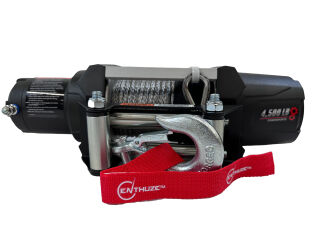


What size winch do I need?
The size of the winch you need depends on several factors, including the weight of your vehicle, the terrain you'll be driving on, and the intended use of the winch. As a general rule of thumb, a winch should have a pulling capacity of at least 1.5 times the weight of your vehicle.
For example, if you have a 5,000-pound vehicle, you'll want a winch with a pulling capacity of at least 7,500 pounds. This will ensure that the winch is powerful enough to pull your vehicle out of mud, sand, or other difficult terrains.
It's also important to consider the intended use of the winch. If you plan to use the winch for heavy-duty tasks, such as pulling other vehicles or hauling heavy loads, you may need a winch with a higher pulling capacity. However, if you only plan to use the winch for occasional off-road recovery or light-duty tasks, a smaller winch may be sufficient.
Ultimately, it's important to consult the manufacturer's recommendations and consult with a professional if you're unsure about the size of the winch you need. They can provide specific recommendations based on your vehicle and intended use, ensuring that you have the right winch for the job.
Do I need an ATV/UTV winch?
ATV winches are an essential accessory for any ATV or UTV owner who plans to ride off-road or in challenging terrain. These winches are designed to help you get out of difficult situations, such as getting stuck in mud or sand or navigating steep inclines. With a winch, you can easily pull your ATV or UTV out of these situations without needing to rely on another vehicle or a tow truck.
One of the key benefits of ATV winches is their versatility. They can be used in a variety of situations, from off-road recovery to hauling heavy loads. Overall, ATV winches are a must-have accessory for any ATV/UTV owner who wants to ensure their safety and preparedness when riding off-road.
With an Enthuze winch, you can enjoy the freedom of exploring challenging terrain without worrying about getting stuck or stranded. Just make sure to choose a winch with the right size and capacity for your ATV and intended use, and always follow proper safety procedures when using a winch.
Do you need more help? Read our ATV Winch Selection Guide or send us a message here.